
GENERAL DENTISTRY
The treatments available from our general dentists at Chelsea Dental Studio can help maintain the health of your smile and prevent tooth loss and gum deterioration. We strive to help you keep your own natural teeth while tooth extraction will only ever be the last resort in the maintenance of your oral health.
Below are some of the diseases and conditions you should look out for and the general dentistry treatments we provide to return you to the very best of dental health should they arise.
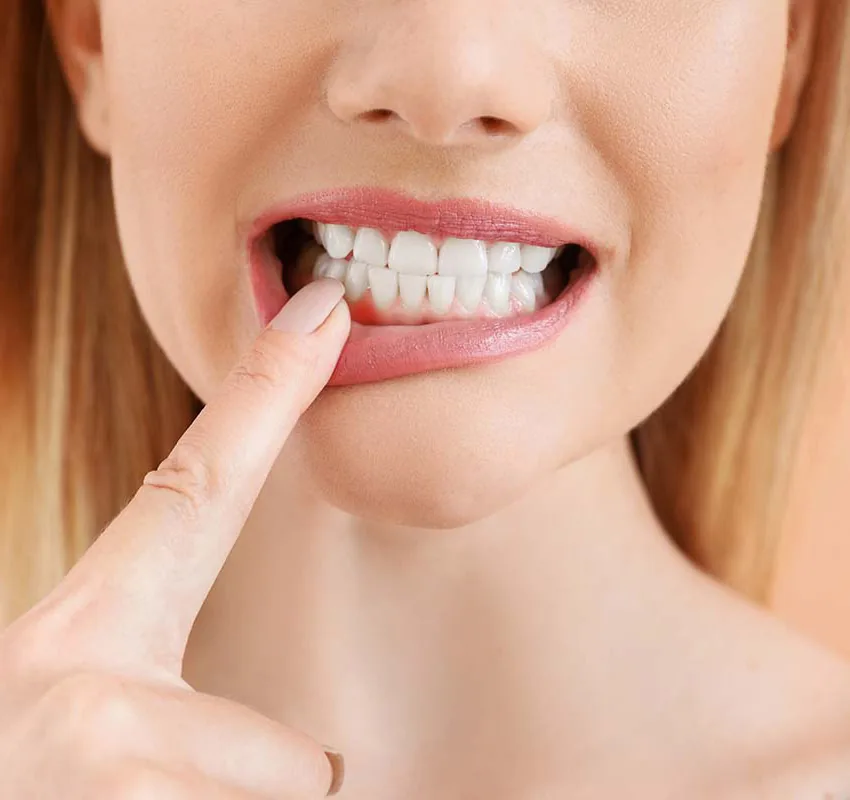
Gum Disease
Gum disease occurs when bacteria is left to enter and infect the gum tissue, usually due to improper oral hygiene. Smoking, poor diet and drinking can also exacerbate gum disease. Therefore, it is of vital importance to look out for the signs of gum disease if you fall into any of these categories.
Symptoms include:
Bleeding gums: It is not uncommon for your gums to bleed occasionally when you start flossing or switch to a new toothbrush. However, if your gums bleed regularly, especially when brushing or flossing, this may be an early sign of gum disease. If the bleeding persists or worsens, you should book an appointment with your dentist as soon as possible.
Bad breath: Gum disease often starts without any feeling of pain, which makes it difficult to detect. However, if you have continual bad breath, this could be a definite sign of gum disease.
Loose teeth and gum/Periodontal pockets: In its early stage, gum disease is known as gingivitis. If left untreated, it can progress to periodontitis, a more advanced form of gum disease. Symptoms may include loose or shifting teeth, receding gums, and the formation of periodontal pockets (spaces between the teeth and gums) where bacteria can collect. Without treatment, periodontitis can lead to significant gum damage, bone loss, and eventually tooth loss.
Treatments include:
If you are suffering from any of the symptoms above it is in your best interests to visit the dentist right away. Once there, treatment can begin to prevent the spread of the disease and bring it under control:
Gum disease preventative hygiene/Deep Cleaning: a dental hygienist will thoroughly clean every part of your mouth and teeth, removing all bacteria and plaque build-up.
Advanced gum disease preventive hygiene/Periodontal Cleaning: if the problem has developed into periodontal disease, a more intensive cleaning will be necessary. This treatment removes plaque and hardened tartar (calculus) from above and below the gumline, helping to control infection, reduce gum pockets, and prevent further damage to the gums and supporting bone.
Once under control you will be given a tailored oral health regime to follow, which should ensure that the problem doesn’t return.
For patients undergoing restorative, orthodontic, or dental implant treatment, regular visits to the dental hygienist are recommended every three months. These maintenance appointments help keep your teeth, gums, and dental restorations in optimum condition, reducing the risk of gum disease, decay, and other complications while supporting the long-term success of your treatment.
Tooth Decay
Tooth decay is most often caused by a combination of sugary food and neglected oral hygiene.
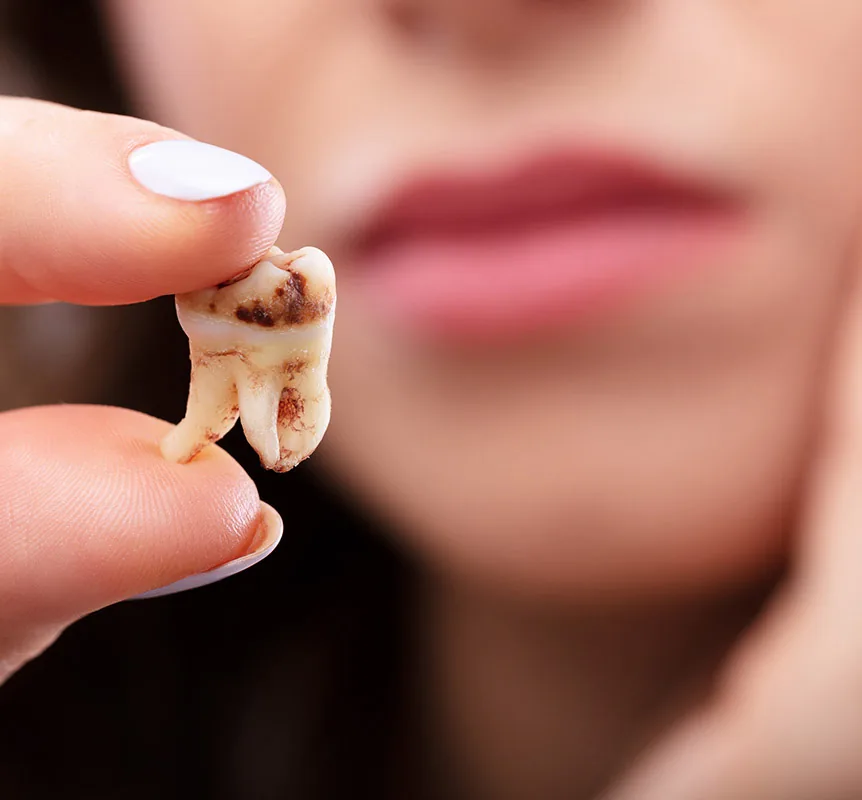
After eating a sugary snack or drinking a can of soda you may feel a slight gritty feeling across your teeth. This occurs when bacteria feeds on the sugar on your teeth and forms a film of plaque. This plaque, if left unchecked, eats away first at the enamel of your teeth, then the dentin and finally the dental pulp inside. Once this has occurred the tooth will become infected, which is often incredibly painful.
Symptoms include:
Visible Holes or Cavities: One of the most common signs of tooth decay is the appearance of small holes or cavities in the teeth. These develop when bacteria produce acids that gradually break down the tooth's protective enamel.
Toothache or Sensitivity: As decay progresses beyond the enamel and into the dentine or dental pulp, you may experience toothache, sensitivity to hot, cold or sweet foods and drinks, or pain when biting. These symptoms should not be ignored, as they often indicate that the decay has advanced.
Broken or Weakened Teeth: If tooth decay is left untreated, the tooth can become weakened and brittle, making it more likely to crack, fracture, or break. Severe decay can compromise the structure of the tooth and increase the risk of infection.
Treatments include:
Tooth-Coloured Fillings: If tooth decay is detected early, your dentist can remove the decayed portion of the tooth and restore it with a natural-looking, tooth-coloured filling. This strengthens the tooth and prevents the decay from progressing.
Root Canal Treatment: If the decay has reached the dental pulp (the soft tissue containing nerves and blood vessels), root canal treatment may be necessary. This involves removing the infected pulp, thoroughly cleaning and sealing the root canals, and, in many cases, protecting the tooth with a dental crown to restore its strength and function.
Tooth Replacement: If a tooth has been extensively damaged by decay, it may be possible to restore it with a dental crown. However, if the tooth cannot be saved, it may need to be removed. Your dentist will discuss the most suitable replacement options, which may include a dental implant, bridge, or denture, to restore your smile and maintain your oral health.
Oral Cancer Screenings
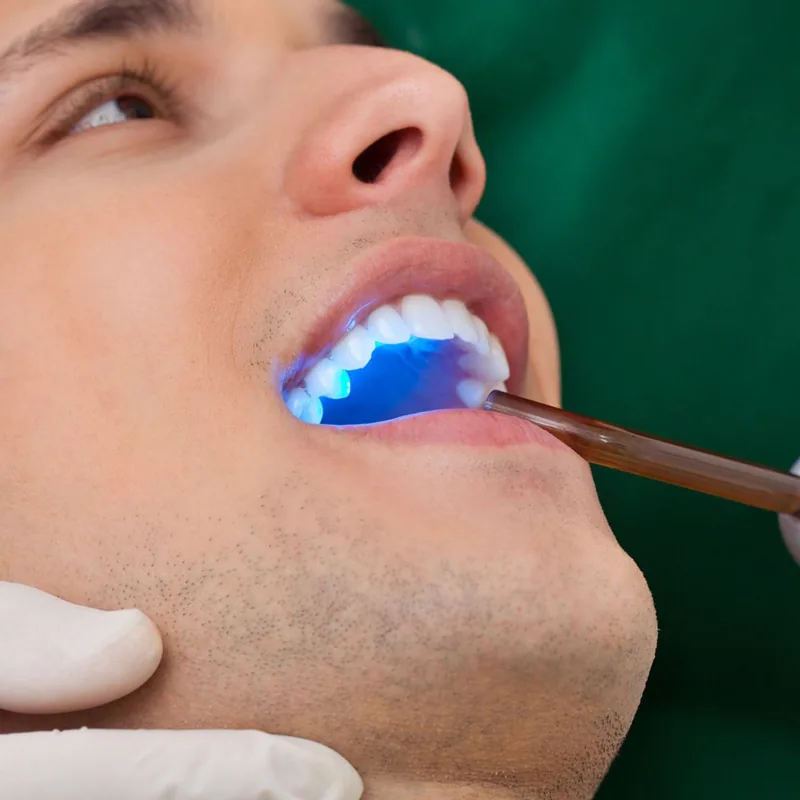
Cases of oral cancer have greatly increased in the last few years, with causes including drinking and smoking. Oral or mouth cancer is incredibly curable if caught in the early stages, with over 90% of victims cured if treated early. However, this rate drops to 50% if left untreated. Therefore, it is of vital importance to visit the dentist if you have the following symptoms:
- Bleeding from your mouth.
- Pain or difficulty swallowing.
- White and red patches on the lips or in the mouth.
- Blisters or ulcers that reappear and do not heal.
- Persistent earaches.
- Change in tooth/jaw alignment.
If you experience any of these symptoms visit the practice today. We can perform an examination, make a diagnosis and, if necessary, direct you in the right direction for treatment.
We are here to protect the health of your mouth and teeth so if any problems arise, please call us as soon as possible.